
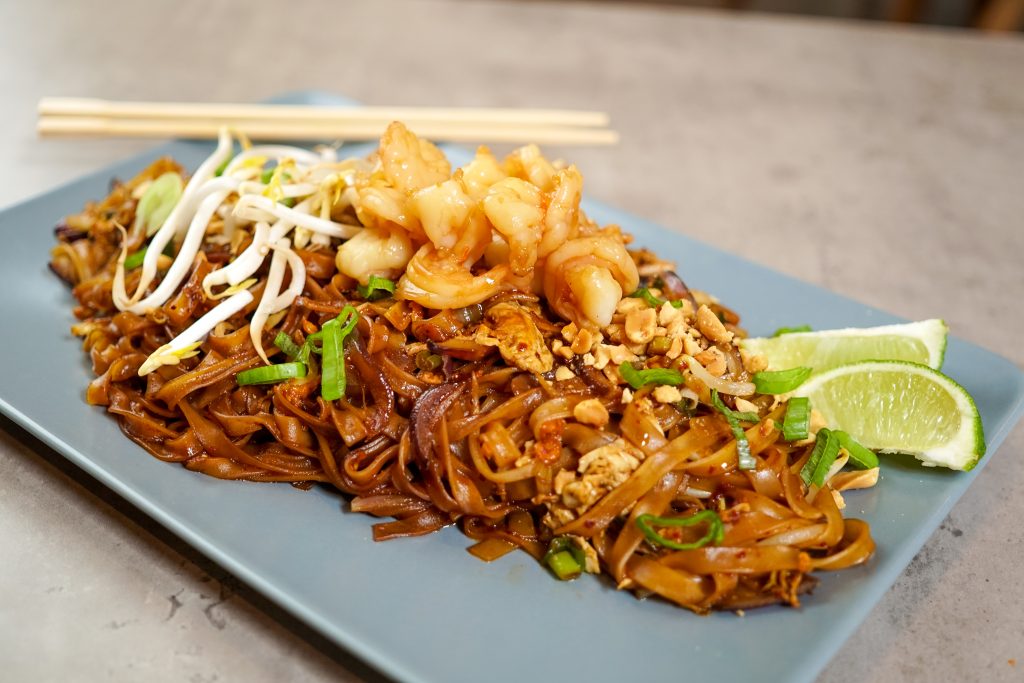
Few noodle dishes can compete with the smoky aroma and bold flavor of Char Kway Teow. The moment flat rice noodles hit a hot wok with garlic, eggs, seafood, and savory sauces, the kitchen instantly fills with the kind of fragrance that makes everyone hungry. This iconic Southeast Asian stir-fried noodle dish is famous for its rich umami flavor, slightly smoky taste, and satisfying texture.
Char Kway Teow is loved because it looks simple but delivers incredibly deep flavor when cooked correctly. The magic comes from high heat cooking, fresh ingredients, and the right balance of noodles, seafood, and aromatics. Each bite gives you tender noodles, juicy prawns, fresh crunchy bean sprouts, and savory eggs all coated in a flavorful sauce.
Today’s recipe focuses on a clean, flavorful version using fresh ingredients and simple cooking techniques.
The base of the dish is thin guo tiao (flat rice noodles) which absorb the sauce beautifully while staying soft and slightly chewy. These noodles cook quickly and carry the smoky wok flavor extremely well. Combined with garlic, scallions, prawns, Chinese sausage, cockles, eggs, and bean sprouts, the result is a perfectly balanced plate of noodles that tastes like something straight from a night market stall.
Another key element is banana leaves, which are often used by street vendors when serving Char Kway Teow. The leaves add a subtle aroma and make the dish feel authentic and rustic.
This recipe is designed to be simple, practical, and easy to follow, so you can recreate the street-style experience at home. The focus here is on the ingredients, preparation, and cooking method that bring everything together.
Ingredients
Below are the ingredients used for this Char Kway Teow recipe.
Noodles & Vegetables
- 440g Thin guo tiao (flat rice noodles)
- 100g Bean sprouts
- 10g Scallions (cut into 1-inch lengths)
- 1 tbsp Minced garlic
Proteins & Seafood
- 1 Chinese sausage (sliced thinly)
- 10 Prawns (deveined and deshelled)
- 50g Fresh cockles
- 2 Eggs (beaten)
Cooking Base & Optional Add-Ons
- 2 tbsp chicken fat or cooking oil
- 2 tbsp crispy chicken crackers
- 3–4 tbsp chicken stock
- 4 Banana leaves (for serving or lining the plate)
Basic Seasoning
- 1 tbsp light soy sauce
- 1 tsp dark soy sauce
- 1 tsp oyster sauce
- ½ tsp sugar
- White pepper to taste
These ingredients create the perfect balance of salty, slightly sweet, savory, and smoky flavors that make Char Kway Teow so satisfying.
Preparing the Ingredients
Before turning on the stove, it’s important to prepare everything properly. Char Kway Teow cooks very fast, and once the wok gets hot there’s no time to chop or measure ingredients.
Start with the flat rice noodles (guo tiao). If the noodles are fresh, gently separate them with your fingers so they don’t stick together. If they were refrigerated, let them sit at room temperature for about 15 minutes to soften slightly. This prevents them from breaking during stir-frying.
Next, wash the bean sprouts thoroughly and drain them well. Bean sprouts add freshness and crunch to the dish, so keeping them crisp is important. Cut the scallions into one-inch pieces so they mix evenly with the noodles later.
Prepare the garlic by mincing it finely. Garlic is one of the most important flavor foundations in Char Kway Teow, so make sure it’s fresh.
For the seafood, clean and devein the prawns, removing their shells. Rinse the fresh cockles and set them aside. Slice the Chinese sausage thinly, as thin slices cook quickly and release their flavor into the noodles.
Beat the two eggs in a small bowl so they are ready to pour directly into the wok.
Finally, mix the light soy sauce, dark soy sauce, oyster sauce, sugar, and a splash of chicken stock in a small bowl. Having the sauce ready ensures the noodles cook quickly and evenly without burning.
Preparing everything before cooking is the secret to smooth, fast stir-frying, which is exactly how street vendors achieve their famous flavor.
Cooking Method
The cooking process for Char Kway Teow is quick and requires high heat. A wok works best because it distributes heat evenly and allows the noodles to develop that signature smoky flavor.
Step 1: Heat the Wok
Place a wok or large frying pan over high heat. Add 2 tablespoons of chicken fat or cooking oil and let it heat until slightly shimmering. The wok should be very hot before any ingredients go in.
Step 2: Cook the Garlic and Sausage
Add the minced garlic and stir quickly for a few seconds until fragrant. Immediately add the thinly sliced Chinese sausage and stir-fry for about 30–40 seconds. This releases its rich aroma and flavor into the oil.
Step 3: Add the Prawns and Cockles
Add the prawns and cook for about one minute until they begin turning pink. Then add the fresh cockles and continue stir-frying briefly. Seafood cooks very quickly, so avoid overcooking.
Step 4: Push Ingredients Aside and Cook Eggs
Push everything slightly to one side of the wok. Pour the beaten eggs into the empty space and let them cook for a few seconds before scrambling them gently. Once they begin to set, mix them with the seafood and sausage.
Step 5: Add the Flat Rice Noodles
Add the 440g of flat rice noodles into the wok. Using a spatula or wok ladle, gently toss and separate the noodles so they mix with the other ingredients.
Step 6: Add the Sauce
Pour in the prepared sauce mixture along with a few tablespoons of chicken stock. Stir and toss the noodles continuously so they absorb the seasoning evenly. The noodles will start to darken slightly from the soy sauce.
Step 7: Add Bean Sprouts and Scallions
Add the bean sprouts and scallions and toss everything quickly. These ingredients should remain slightly crunchy, so they only need about 30 seconds of cooking.
Step 8: Final Toss
Increase the heat briefly and give the noodles a few strong tosses. This step helps develop the light smoky flavor that makes Char Kway Teow special.
Step 9: Serve
Line a plate with banana leaves and place the hot noodles on top. The leaves add aroma and give the dish a traditional street-food presentation.
If desired, sprinkle crispy chicken crackers on top for extra crunch.
Tips for the Best Char Kway Teow
Cooking Char Kway Teow successfully depends on a few important techniques.
Use very high heat. Street vendors cook with powerful burners, which create the smoky flavor known as wok aroma. At home, simply cook in small batches and keep the heat high.
Do not overcrowd the wok. Too many ingredients will steam instead of fry, which removes the signature flavor.
Handle the noodles gently. Flat rice noodles can break easily, so use a folding motion when tossing them.
Add bean sprouts at the end. This keeps them crunchy instead of soggy.
Cook quickly. The entire stir-fry should take only about 4–5 minutes once the wok is hot.
Serving Suggestions
Char Kway Teow is best served immediately while hot. The noodles taste richest right after cooking when the smoky aroma is strongest.
Serve the noodles on banana leaves with lime wedges or sliced chili on the side if you like a little extra brightness or heat.
Many people enjoy Char Kway Teow with a simple drink like iced tea or fresh lime juice, which balances the richness of the noodles.
This dish works perfectly as a main meal for lunch or dinner, and it’s filling enough on its own thanks to the noodles, seafood, and eggs.
Conclusion
Char Kway Teow proves that a few simple ingredients can create an incredibly flavorful dish when cooked with the right technique. The combination of flat rice noodles, prawns, cockles, garlic, eggs, and crunchy bean sprouts creates a balanced meal that is rich, savory, and satisfying.
Using chicken stock and cooking oil instead of wine or pork-based fats keeps the flavor clean while still delivering the depth that makes this dish famous. With high heat, quick cooking, and fresh ingredients, it’s possible to recreate the authentic street-style Char Kway Teow experience right at home.
Once you try cooking it yourself, you’ll understand why this dish has remained a favorite across Southeast Asia for generations.
FAQs
1. What noodles are best for Char Kway Teow?
The best noodles are thin flat rice noodles (guo tiao). They absorb sauces well and maintain a soft yet slightly chewy texture.
2. Can I substitute cockles in the recipe?
Yes. If cockles are unavailable, you can replace them with squid, clams, or extra prawns.
3. Why does restaurant Char Kway Teow taste smokier?
Restaurants often cook with extremely powerful gas burners, creating intense heat that produces the smoky wok flavor known as wok hei.
4. Can I make Char Kway Teow without Chinese sausage?
Yes. You can replace it with chicken sausage or simply add more seafood.
5. How do I prevent rice noodles from breaking?
Always separate the noodles gently before cooking and avoid over-stirring them in the wok.
If you try this Char Kway Teow recipe, feel free to leave a comment below and share how it turned out for you. I’d love to hear your thoughts and any variations you tried!