
Kabsa is one of those dishes that instantly tells a story. The moment the spices hit the hot oil, the whole house smells warm, deep, and inviting. This classic Saudi rice dish is more than just food it’s a symbol of togetherness, generosity, and culture. In Arabic cuisine, meals like kabsa are often cooked in large portions, shared from one platter, and enjoyed slowly with family. That sense of sharing is just as important as the taste itself.
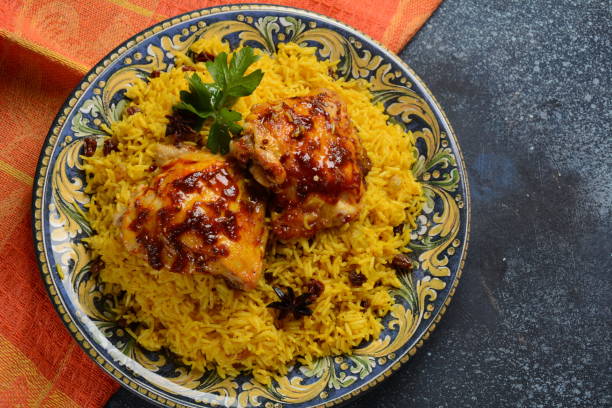
This chicken kabsa recipe is how I usually make it at home. Nothing fancy, no complicated techniques, just honest cooking with bold flavours. If it’s your first time making kabsa, don’t worry too much. It’s very forgiving, and even when it’s not perfect, it still tastes really good.
Ingredients You’ll Need
►For the Rice
800g or 4 UK cups basmati rice, washed and soaked for no more than 30 minutes
►For the Kabsa Spices
You can replace this with a ready-made kabsa spice if needed
2 tsp cumin seeds
1½ tsp black peppercorns
1 tbsp coriander seeds
1 cinnamon stick (about 2 inches)
6 green cardamoms
6 cloves
½ nutmeg
1 tsp turmeric
5 tsp salt
2 dried black limes
3 bay leaves
►Other Main Ingredients
½ cup or 120ml sunflower oil
¼ cup or 60ml ghee
7 cups or 1650ml water
1 large whole chicken cut in half or into 4 big pieces
2 large onions (about 360g)
2 large tomatoes (about 350g)
6 garlic cloves
1 tbsp tomato paste
2 green chillies
1 chicken stock cube
½ cup toasted almonds
Fresh coriander leaves
►For the Chicken
3 tbsp melted ghee
1 tsp kabsa spice
½ tsp smoked paprika
Brush this mixture over the chicken
►For the Sauce
1 cup plain yogurt
½ cucumber, thinly sliced
Juice of ½ lemon
3 tbsp finely chopped coriander
1 garlic clove, mashed
½ tsp black pepper
1 tsp cumin
1 tsp salt
½ cup milk, more or less as needed
Making the Kabsa Spice Blend
If you have time, making your own spice mix really lifts the dish. Add cumin seeds, coriander seeds, peppercorns, cardamom, cloves, cinnamon, and nutmeg to a dry pan. Toast gently on low heat until everything smells fragrant. Be patient here, because burning the spices ruins the flavour. Let them cool before grinding into a powder. Once ground, stir in turmeric and salt. The spice should smell warm, slightly sweet, and peppery.
Cooking the Chicken and Base
In a large heavy pot, heat the sunflower oil and ghee together. Add the sliced onions and cook until they turn golden and soft. This part takes time, but rushing it makes a big difference later. Add the garlic and green chillies, then stir for about a minute. Add chopped tomatoes and tomato paste and cook until the mixture thickens and starts to look glossy. Add the chicken pieces, sprinkle over some kabsa spice, and crumble in the stock cube. Let the chicken cook in the sauce for about 10 minutes, turning it once or twice so it absorbs all the flavour.
Cooking the Rice
Pour in the water, then add the dried black limes and bay leaves. Bring everything to a boil, then lower the heat and let it simmer until the chicken is fully cooked. Remove the chicken and set it aside. Taste the broth carefully this is the moment to adjust salt. Add the soaked rice and cook uncovered until most of the liquid disappears. Cover the pot, lower the heat completely, and let the rice steam for 15 to 20 minutes. Sometimes the bottom catches slightly if the heat is too high, but that crispy layer actually tastes pretty good.
Roasting the Chicken
Mix melted ghee with kabsa spice and smoked paprika. Brush the mixture all over the cooked chicken pieces. Roast in a preheated oven at 200°C for about 15–20 minutes, until the skin looks golden and slightly crisp. Keep an eye on it because chicken dries out faster than you expect.
Preparing the Yogurt Sauce
In a bowl, combine yogurt, cucumber, lemon juice, coriander, garlic, spices, and salt. Slowly add milk until the sauce reaches your preferred consistency. Some days it turns out thicker than planned, other days a bit runny, but both work just fine. Chill in the fridge until ready to serve.
Serving the Kabsa
Fluff the rice gently with a fork and transfer it to a large serving platter. Place the roasted chicken on top and scatter toasted almonds and fresh coriander over everything. Serve hot with the yogurt sauce on the side. Kabsa is meant to be shared, eaten slowly, and enjoyed without rushing.
Final Thoughts
Kabsa represents what Arabic cuisine is all about warmth, flavour, and bringing people together. It’s not about perfection or exact measurements, but about balance and patience. Once you make it a few times, you’ll naturally adjust it to your own taste, and that’s when it really becomes yours.
FAQs
1. Can I use pre-made kabsa spice?
Yes, it’s a good shortcut and still tastes great.
2. Is kabsa always made with chicken?
No, lamb and goat versions are very common too.
3. Why are dried black limes used?
They add a subtle tangy depth that balances the spices.
4. Can kabsa be made ahead of time?
Yes, it reheats well, though fresh is best.
5. What sides go well with kabsa?
Yogurt sauce, simple salad, or fresh vegetables.
Please don’t forget to leave a review.
Apply now and receive dedicated support for affiliates!
Thanks for stopping by and leaving a comment!